Session 1
Getting Ready to EMBARK
Learn about the advantages of reusing FAIR data and the variety of data available from BCO-DMO and OOI.
Use Jupyter notebooks, ERDDAP, and the PRIMM model to adapt code recipes.
Develop essential skills to (re)use an ocean of data.
EMBARK is an NSF-funded, live, hands-on training course for Early Career Ocean Professionals working with large, complex, and long-term open-access ocean data.
The opportunity
EMBARK is a short-format, live, virtual training course designed to provide hands-on skills for finding, accessing, and using large, complex, and long-term open-access ocean data.
Our open-access course materials will provide practical training in cyberinfrastructure tools and resources from major facilities and data repositories in the ocean sciences.
This training is for the bottlenecks that slow you down and the barriers that prevent you from getting started with incorporating large or complex open data into your ocean data analysis.
This virtual workshop series will cover CI tools, data access strategies, software libraries, and data repository-specific features that enable scientists to efficiently access and (re)use large available datasets
Workshop sessions will include guided small-group breakout activities led by project team members. These activities provide opportunities to work with course materials and connect with other Early Career Ocean Professionals.
Activities will use Google Colab and OOI's JupyterHub platform. Some prior experience with R or Python is expected, but participants will not need to install Python locally.
Each cohort includes six live sessions over three weeks. Sessions will likely meet Tuesdays and Thursdays from 2:00 to 4:00 p.m. Eastern Time and include presentations, guided activities, and small-group breakout work.
Session 1
Learn about the advantages of reusing FAIR data and the variety of data available from BCO-DMO and OOI.
Use Jupyter notebooks, ERDDAP, and the PRIMM model to adapt code recipes.
Session 2
Access subsets of large data efficiently with scripts, APIs, and cloud-based computing platforms.
Find, access, and visualize Argo float data using argopy, pandas, and matplotlib.
Session 3
Find long-term datasets across disciplinary repositories and use APIs to search for and access them.
Explore EDI and OBIS data and use metadata to assess a dataset for reuse.
Session 4
Compare model and observational datasets while investigating strategies for accessing and processing large data.
Use xarray and THREDDS to compare ROMS Doppio model data with OOI observations.
Session 5
Use AI to classify images for further analysis and explore the advantages of GPUs for AI tasks.
Investigate image classification with machine-learning libraries and pre-trained AI models.
Session 6
Compare satellite and in situ datasets while exploring access to popular satellite products such as SST and chlorophyll-a.
Review satellite provider products and investigate limitations of machine learning for image classification.
Cohort 1
January 12-28, 2027
Tuesdays and Thursdays
Registration will open on October 15, 2026.
Cohort 2 | Tentative
May 18-June 3, 2027
Tuesdays and Thursdays
Registration opens approximately 2 months before the cohort begins.
Cohort 3 | Tentative
September 7-23, 2027
Tuesdays and Thursdays
Registration opens approximately 2 months before the cohort begins.
An application will be required for each cohort. Participants will be notified approximately two weeks before the cohort begins. Participation is free, with space for 30 participants per cohort.
Join the community to receive project updates and future registration announcements.
Open learning resources
The JupyterBook will include course materials, activities, and presentations. It will be published at a later date.
Frequently asked questions
People and Partners
To learn more about the project team and key presenters, please check out their bios below.
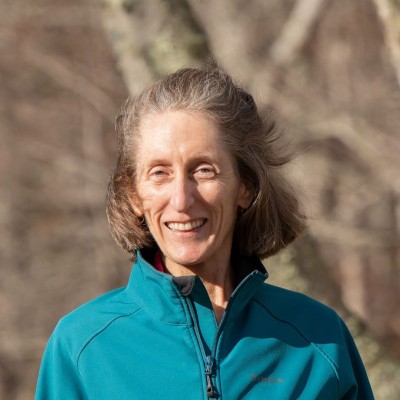
Principal Investigator
Woods Hole Oceanographic Institution
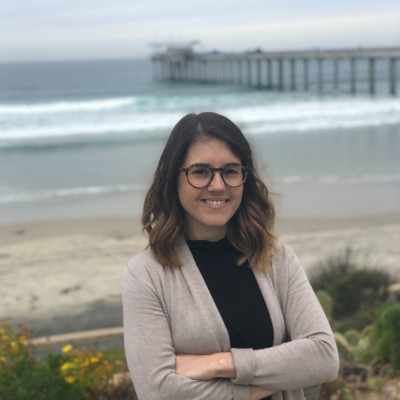
Co-Principal Investigator
Scripps Institution of Oceanography
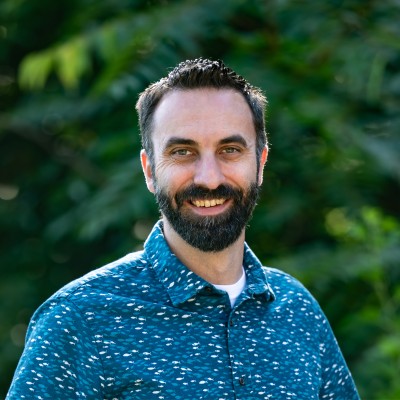
Co-Principal Investigator
Rutgers University
Project Team
Woods Hole Oceanographic Institution
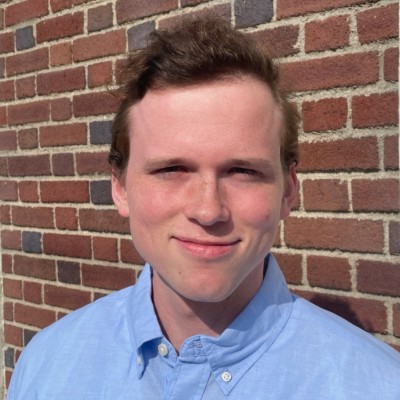
Project Team
Woods Hole Oceanographic Institution
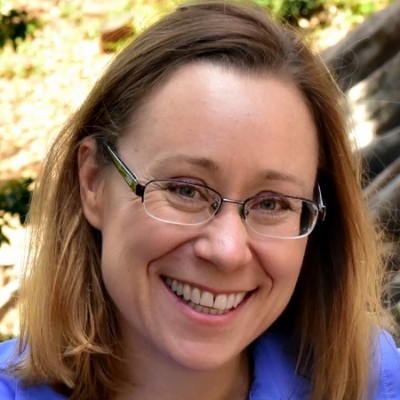
Project Team
Scripps Institution of Oceanography
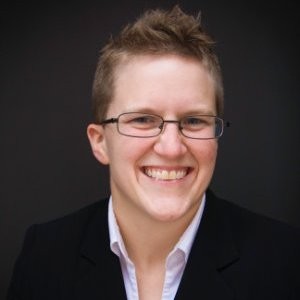
Project Team
Your Ocean Consulting
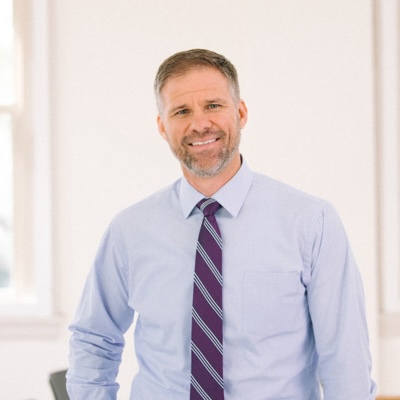
External Evaluator
Sadler Education Evaluation & Consulting
NSF Ocean Observatories Initiative
Craig Risien
Jim Edson
Jim Case
BCO-DMO
Adam Shepherd
Danie Kinkade

Environmental Data Initiative
Mark Servilla
Greg Maurer
Rutgers Master's of Operational Oceanography
Alex Lopez
Travis Miles